



A Complete Guide to Custom Product Labels for Your Brand
October 9, 2026In today’s competitive retail and e-commerce landscape, your product label is far more than a simple sticker. It is the first touchpoint between your goods and customers, delivering brand identity, legal information, and key product details at a glance. Poor quality or mismatched labels can hurt shelf appeal, trigger compliance risks, and even confuse your buyers. Whether you run a food brand, cosmetic line, craft business or e-commerce store, getting custom product labels right directly supports your brand growth. This guide walks you through everything you need to know before placing your custom label order.
Why Should You Use Custom Product Labels?
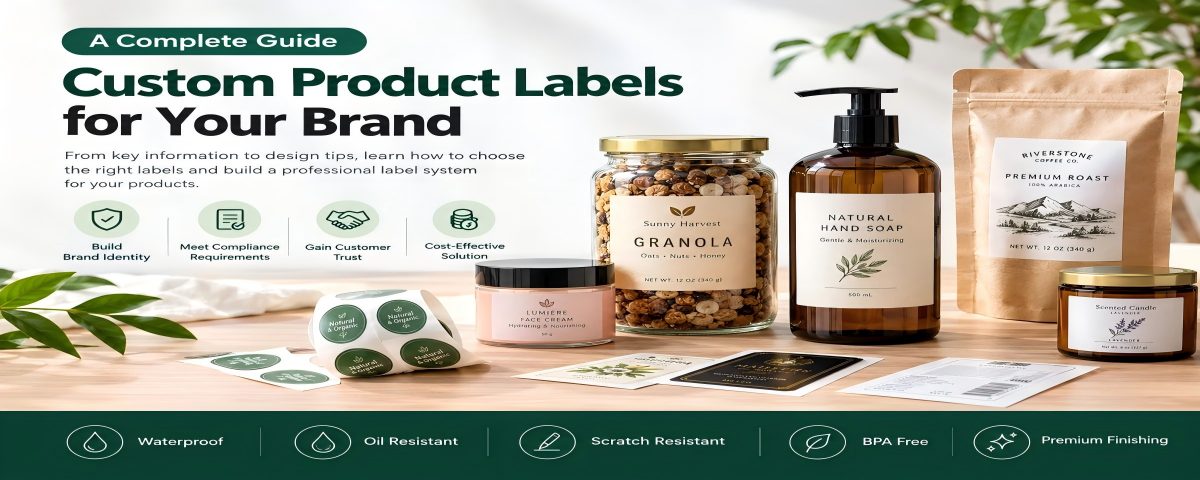
Custom product labels are a core packaging investment for growing brands, and their value goes beyond decoration.
1. Build recognizable brand identity Custom-printed labels carry your logo, brand colors and visual style. Consistent label design helps your products stand out on retail shelves, marketplaces and social media unboxing content, strengthening brand memory among target customers.
2. Meet regulatory & compliance requirements Many industries require clear printed information on product surfaces. Proper custom labels help you follow local labeling rules for ingredients, net weight, batch numbers and warning statements, avoiding fines or product recall risks.
3. Improve customer trust & user experience Well-made labels deliver clear product specifications, usage tips and shelf-life data. Shoppers can quickly understand what they are buying, which reduces pre-purchase doubts and lowers return rates for your business.
4. Flexible low-cost branding solution Compared with redesigning full product packaging, custom labels offer an affordable way to refresh product appearance, launch limited editions or update information without large-scale packaging rework.
What Information Should Be Included on Your Product Labels?
Exact requirements vary across industries and regions, but most commercial product labels cover these key elements:
1. Brand core elements: Brand logo, brand name, product name and product series.
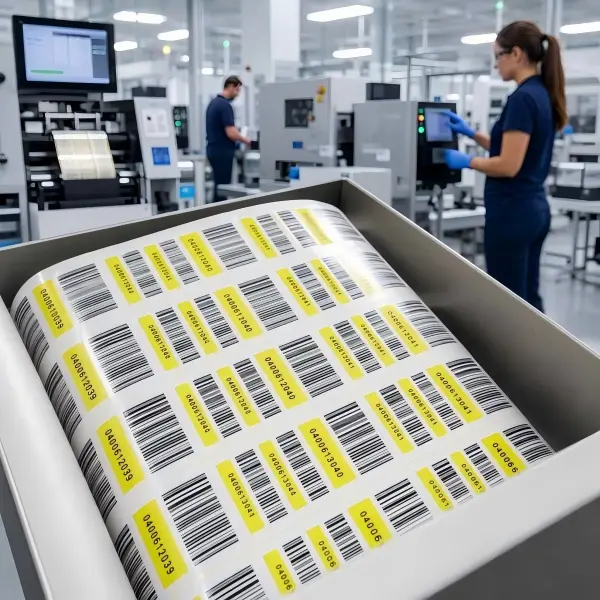
2. Product factual information: Net weight / volume, ingredient list, batch number, production date and expiry date.
3. Usage & safety notes: Usage instructions, storage conditions, warning statements and allergy alerts (critical for food, skincare and cosmetic goods).
4. Business information: Manufacturer or distributor name and contact address as required by local regulations.
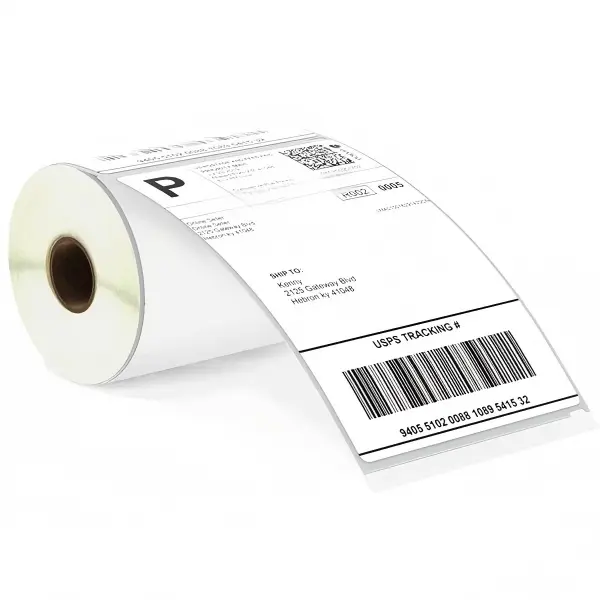
5. Sales-driven optional content: QR codes for websites or social pages, promotional slogans, or decorative graphic elements for visual attraction.
How to Choose the Best Custom Product Labels for Your Needs
Picking suitable custom labels is not only about picking nice-looking artwork. You need to match label performance to your real-world application environment. Below are four key factors to evaluate.
1. Confirm suitable printing effects & finishing options
Think about your brand visual goal. Do you need matte or glossy surface? Do you want premium finishes such as gold foil, silver foil, UV spot or emboss? Different finishing choices change shelf appearance and unit cost. Simple matte works for minimalist eco-brands, while foil stamping fits luxury cosmetic or gift-oriented goods.
2. Check label size & shape compatibility
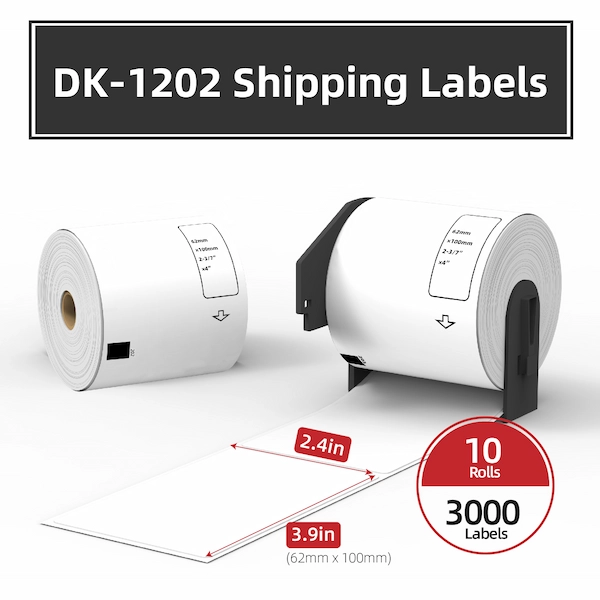
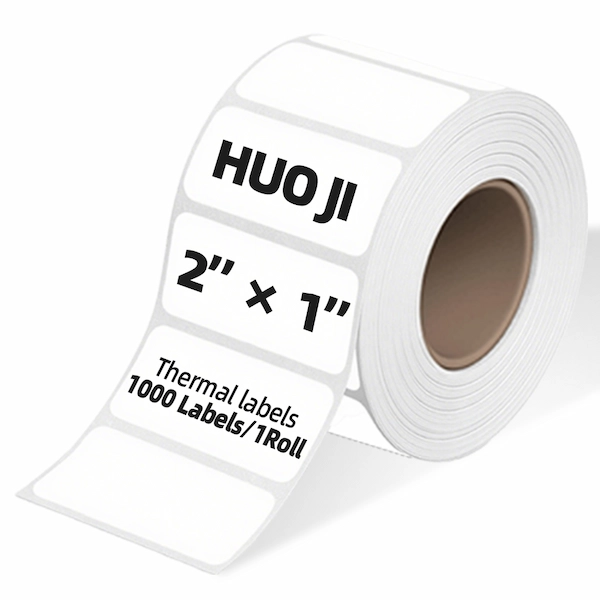
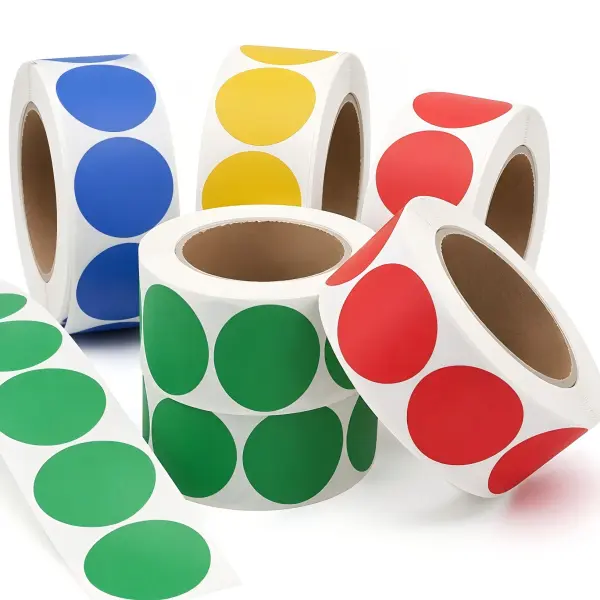
Measure the actual surface of your bottles, jars, pouches or containers before confirming dimensions. Too-large labels will wrinkle and peel; too-small ones cannot fit all required text and logo. You can choose standard rectangle, circle, square shapes or die-cut custom shapes for unique brand presentation.
3. Consider application environment & sticker adhesion
Where will your labels be applied and stored? Will they stick to glass, plastic, metal or paper surfaces? Different glue formulas serve different surfaces. Make sure the adhesive works well on your container material to prevent curling, lifting or falling off after application.
4. Select the correct label material
Material decides durability. Paper-based labels are cost-effective for dry-storage indoor products. Synthetic materials including PET, PP and vinyl deliver waterproof, oil-proof and tear-resistant performance, ideal for cold storage, bathroom products, outdoor goods and items that frequently get wiped.
Our Recommended Custom Label Solutions
We provide multiple custom label options to match different brand pain points and business scenarios.
Best for strict compliance & detailed text information: Premium Synthetic Printed Labels --If you sell food, cosmetics or health-related goods that require dense small-print compliance text, our synthetic printed labels deliver sharp, stable printing. Water-resistant and oil-proof properties keep text readable in refrigerated or humid working conditions.
Best for cost-effective mass-run daily goods: Coated Paper Custom Labels --Perfect for brands with large-volume orders for dry-storage products. Coated paper labels offer crisp color reproduction at competitive unit prices. Great for craft items, dry groceries and gift-series products kept under normal room-temperature conditions.
Best for eye-catching shelf performance: Foil & Special Finishing Custom Labels --For luxury, limited-edition or gift-focused product lines. Gold foil, silver foil and UV spot finishing add visual highlights to capture shopper attention on crowded retail shelves. Help your high-margin products create premium first impressions.
How to Build Your Complete Product Label System
Great labels do not stop at one-off sample production. Follow these four steps to build a stable label workflow for your whole product line.
Step 1: List all products that require labeling Sort out your full product portfolio. Classify items by storage environment (room temperature, refrigerated, frozen), container material, and mandatory compliance information. This avoids material or size mistakes for different SKUs.
Step 2: Create a small set of unified label templates Build reusable design templates following your brand guideline. Keep logo position, font family and brand color consistent across all SKUs. Only swap product-specific content such as product name, batch and ingredient details. Templates save repeated design cost and maintain brand consistency.
Step 3: Standardize your internal workflow Set clear rules for label updates. Define who is responsible for checking compliance text, artwork bleed, CMYK color mode and batch-variable content before sending files for printing. This reduces proof-revision cycles and human-error risks.
Step 4: Run sample testing before full-scale production Always get physical label samples first. Stick samples onto your real containers, test performance under your actual storage conditions (refrigerator, freezer, damp environment). Confirm readability, stickiness and visual effect before approving bulk production.
Frequently Asked Questions
Q1: Are synthetic labels always necessary for my products?
No. Paper labels work well for dry-condition room-temperature goods. Choose synthetic materials only when your products face moisture, oil, low-temperature or frequent wiping scenarios.
Q2: Can custom labels stick on curved small bottles?
Yes. But you need to select proper label size and flexible materials. Over-wide labels on highly curved small containers are more likely to bubble or peel off. Our design team can give suggestions for curved-surface projects.
Q3: What file format should I provide for custom label printing?
Vector PDF files with bleed are preferred. PNG or JPG image files may lead to blurry small text during mass printing. Our team can review your artwork for free before production.
Q4: What is the typical MOQ for custom product labels?
MOQ depends on material, finishing and custom die-cut shapes. Contact our sales team to get detailed MOQ and lead-time information for your exact project.
Benefits of Working With Us for Your Custom Labels
After sorting out your label requirements, partnering with our team brings you multiple practical advantages for your brand.
- Material matching support: Our team helps you select suitable label paper, adhesive and finishing according to your product storage and container situation, avoiding material-mismatch failures.
- Free artwork check: We check bleed, color mode and text legibility for your design files, pointing out potential risks before printing.
- Multiple options for different budgets: We deliver cost-effective paper labels and high-performance synthetic labels with premium finishing to fit startup brands and mature enterprises alike.
- Stable lead time & sample service: Physical samples are available for validation before bulk orders, helping you achieve consistent label performance across your whole product range.
Ready to get your custom product label project started?
Contact our team for a free quote today.
GLISH TITLLE
Guanglun